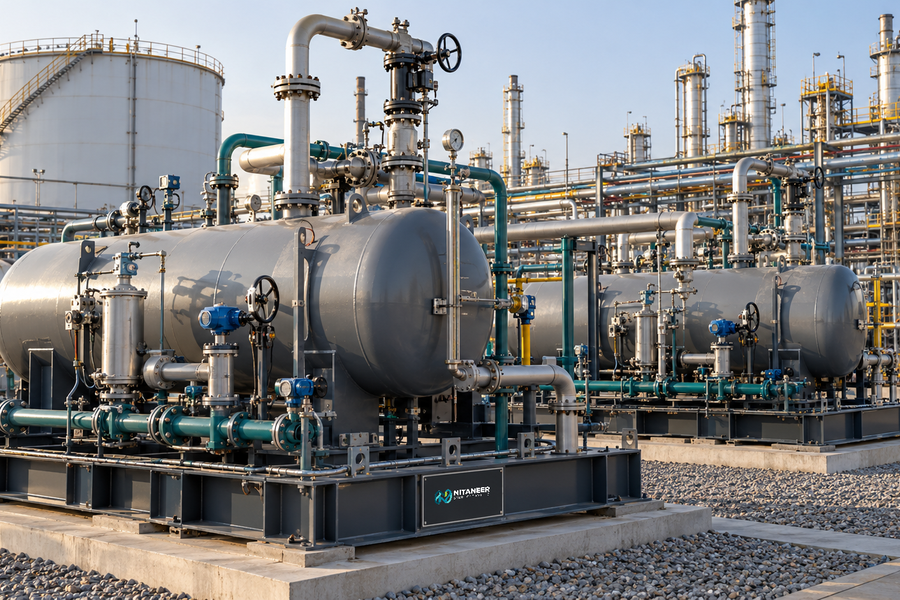
Heterogeneous, inhibitory streams
Synthesis, washing and scrubbing introduce catalysts, complexing agents, metals and persistent aromatics that can inhibit biological activity.
 GET A QUOTE
Multi-stage treatment for complex chemistry, difficult contaminants and high-recovery reuse.
Synthesis, formulation, washing and scrubbing produce highly variable effluent. Toxic catalysts, persistent organics, dissolved metals and salts can challenge both biological treatment and membrane recovery.
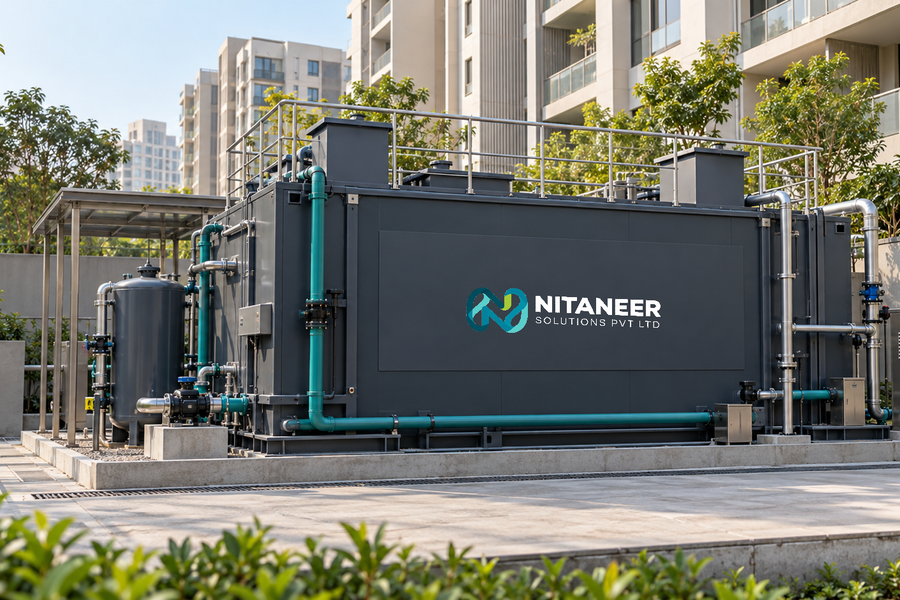
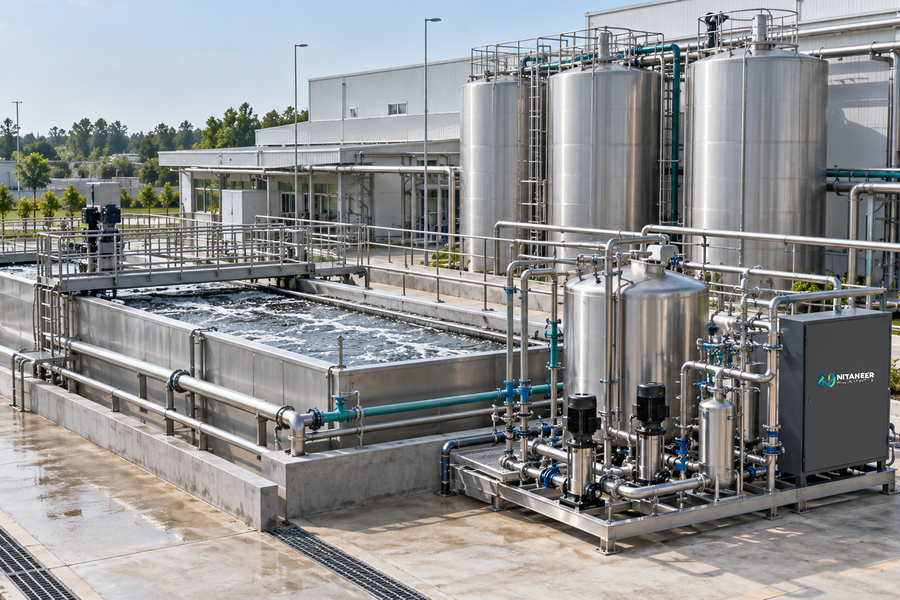
Nitaneer configures physical, chemical, biological and membrane stages around the incoming chemistry. Equalization and real-time monitoring protect the treatment train, while ZLD integration addresses applications requiring concentrate recovery.
Synthesis, washing and scrubbing introduce catalysts, complexing agents, metals and persistent aromatics that can inhibit biological activity.
Chlorides, sulfates, fluorides and other dissolved ions affect settling and increase membrane scaling and osmotic pressure.
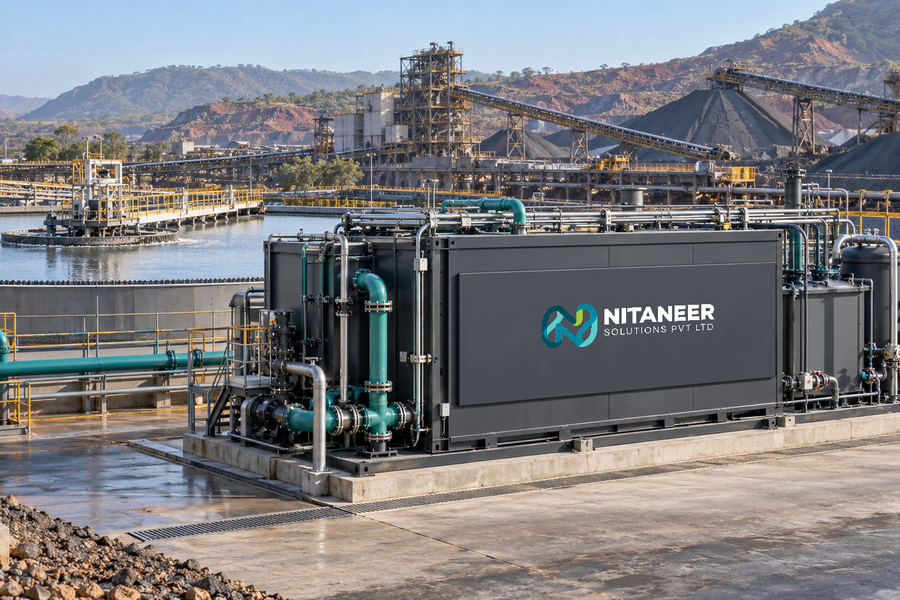
Where zero liquid discharge is required, biological treatment, membrane recovery and thermal concentration must work together within the site footprint.
Configured around the incoming stream, operating conditions and intended water use.
Neutralization, precipitation, coagulation-flocculation and metal reduction protect downstream biological and membrane stages.
Ozonation, Fenton or UV/peroxide processes address refractory compounds. Aerobic reactors and nitrification-denitrification treat biodegradable organics and nitrogen.
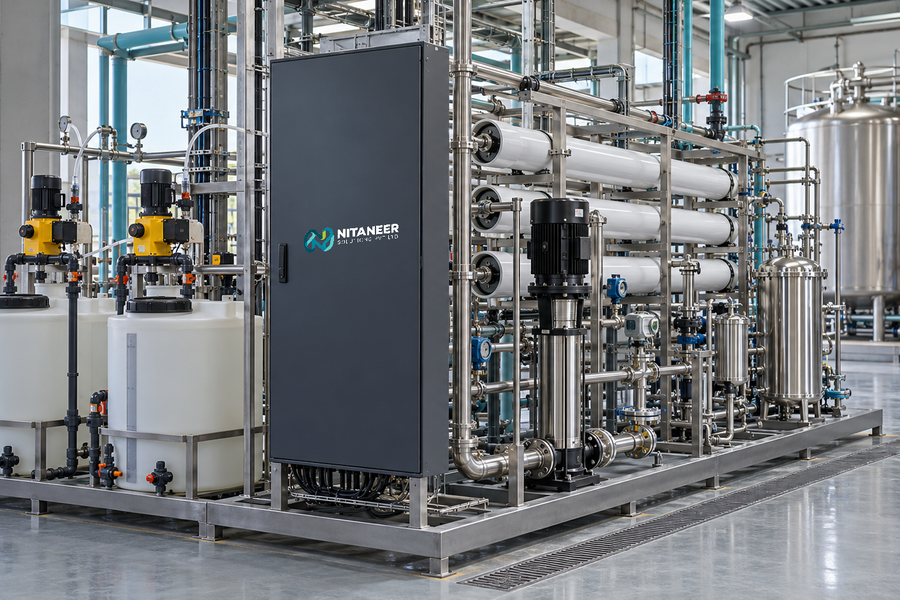
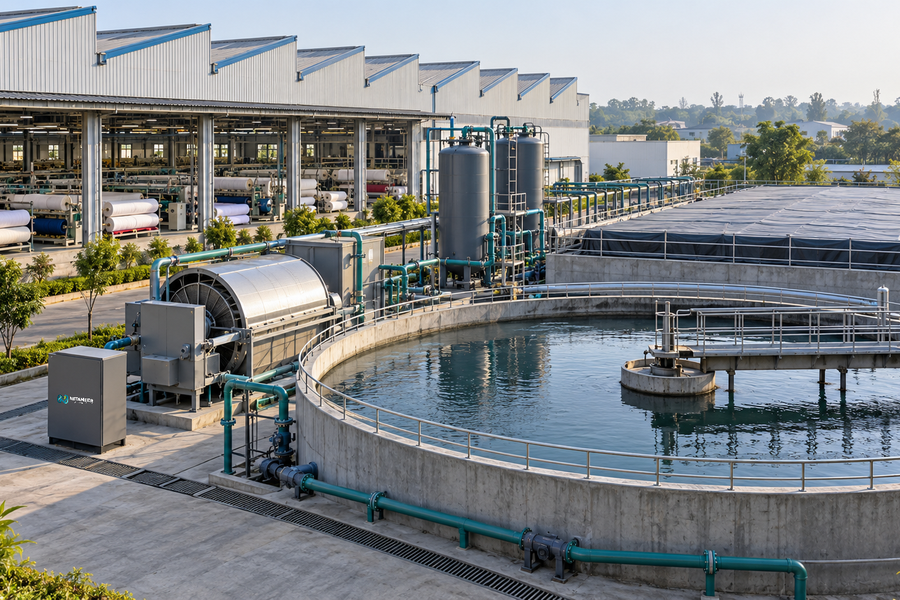
Membrane separation removes fine particulates and dissolved solids, supported by feed design and automated cleaning.
RO recovery can be paired with mechanical vapor recompression, evaporators and crystallizers. Inline pH, conductivity, temperature and COD monitoring supports shock-load diversion.
Recover treated water for plant utilities while routing membrane concentrate through the required recovery and solids-management stages.